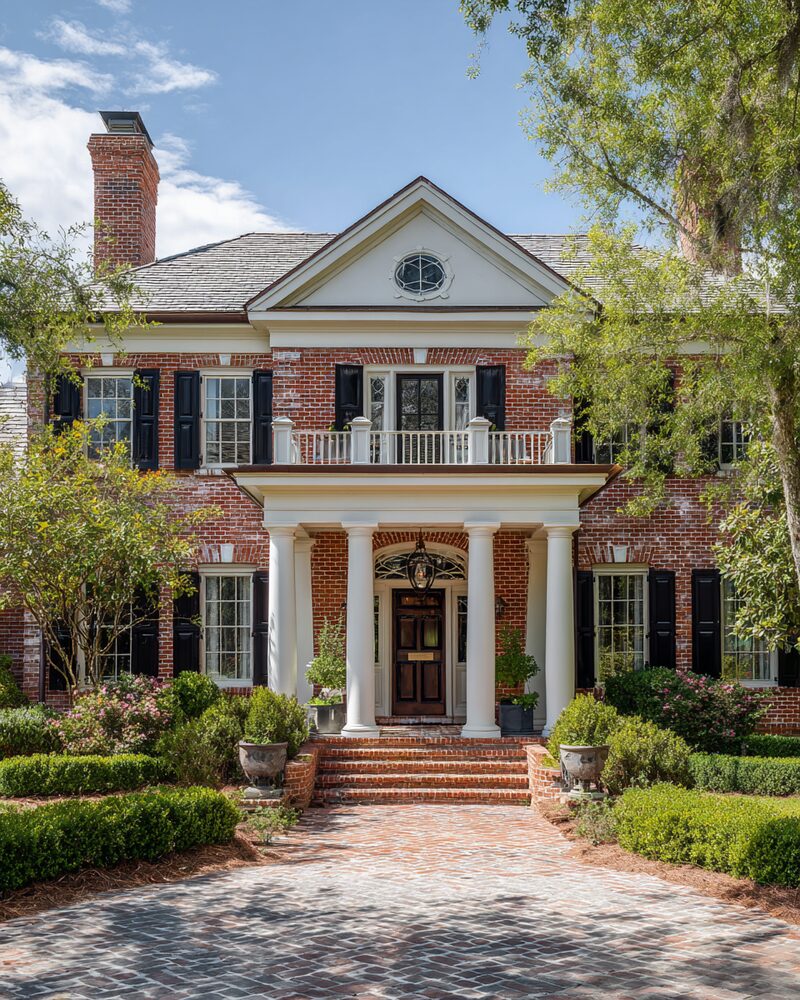
The decision to buy or sell a home in Cherokee Bluff School District is about more than curb appeal and shelf-stable mortgage rates. For families and investors alike, the long term stability of the school district can be one of the strongest predictors of resale value, rental demand, and day to day quality of life. Understanding which neighborhood and which features will hold value over time helps buyers make confident offers and helps sellers price and present homes to attract the right pool of buyers.
Start with enrollment and capacity signals. Consistent or growing enrollment typically supports steady demand for family homes, while sudden drops can foreshadow softness in buyer interest. Look for public records and school board reports that show five to ten year enrollment trends and planned expansions or new school construction. That information tells you whether a neighborhood is likely to stay desirable for families with school-aged children.
Consider funding and facilities. Local bond measures, capital improvement plans, and recent renovations matter. Schools with updated STEM facilities, safe arrival zones, and modern athletic spaces are easier to highlight in listings and attract buyers who see fewer immediate upgrade expenses. If you are selling, make concise notes about recent school upgrades to include in marketing materials and your property description.
Pay attention to rezoning risk and planned development. Rezoning can change which schools serve a property, affecting buyer interest. County planning maps and public hearings are the places to watch. Similarly, planned residential or commercial development around Cherokee Bluff can influence commute times, traffic patterns, and the attractiveness of different neighborhoods. Buyers should evaluate both short term convenience and long term neighborhood trajectory.
Talk to people who live and work in the district. Neighborhood groups, PTA members, and local realtors often spot trends months before they show up in official data. Attend a school board meeting or community event, or reach out to neighbors to ask about busing, after school programs, and daily arrival routines. These practical details often determine whether a property really fits a familys lifestyle.
For sellers, stage listings to speak directly to family buyers. Highlight study nooks, flexible bedrooms, safe yards, and proximity to school drop off points. Use photography that showcases bright family spaces and include crisp bullet points about nearby schools, their programs, and recent facility improvements. Pricing within market comps while emphasizing school strengths helps homes stand out when families are comparing options.
Buyers should prioritize must-have features versus nice-to-have items. If a stable school assignment is critical, be willing to trade some square footage or cosmetic finishes for location certainty. If a home needs updates but sits in a favored school zone,
